Unplug and Reconnect: The Magic of Guyana’s Indigenous Eco-Lodges
Unplug and Reconnect: The Magic of Guyana’s Indigenous Eco-Lodges
In a world where we are constantly connected to screens, notifications, and the hustle of daily life, finding a place to truly disappear is becoming a luxury. If you are searching for an authentic, off-the-grid adventure in 2026, Guyana offers something that very few destinations can match: community-led Indigenous eco-tourism.
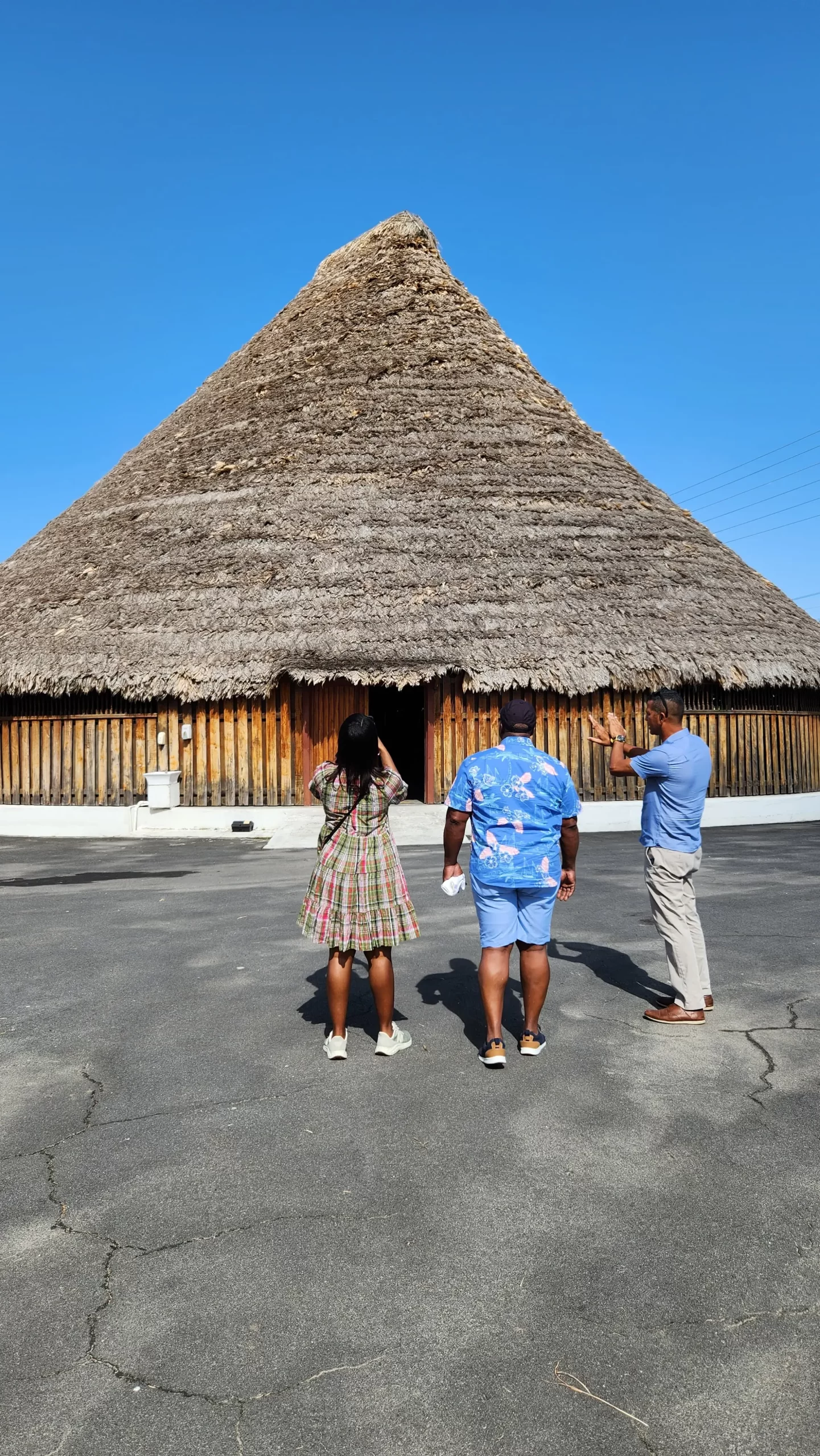
Guyana is a global pioneer in this sustainable travel model. When you journey into the interior with Travel Guyana, you aren’t just a tourist staying at a corporate resort; you are an invited guest of the local Makushi and Wapishana communities.
Here is why a stay at an Indigenous eco-lodge is the ultimate way to experience the Amazon basin.
1. What is Community-Led Eco-Tourism?
In many parts of the world, tourism revenue completely bypasses the local people. Guyana does things differently.
-
The Model: The eco-lodges in the Rupununi and the rainforest interior are owned, operated, and managed entirely by the local Indigenous villages.
-
The Impact: Every dollar you spend on accommodation, meals, and guided tours goes directly into community funds. This pays for local schools, healthcare, and conservation efforts, giving the communities an economic incentive to protect the rainforest rather than log or mine it.
-
The Experience: Your guides are the people whose ancestors have lived on this land for thousands of years. Their knowledge of the flora, fauna, and animal tracking is unparalleled.
2. Surama Eco-Lodge: The Pioneer
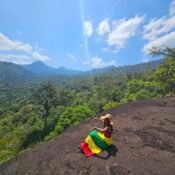
Set in a picturesque, five-square-mile savannah completely ringed by the densely forested Pakaraima Mountains, Surama is the blueprint for Guyana’s eco-tourism success.
-
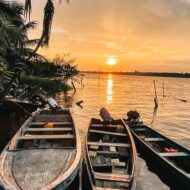
The Wildlife: Surama is surrounded by nature. Morning hikes to Surama Mountain offer incredible views of the canopy, while afternoon canoe trips on the Burro Burro River provide chances to spot giant river otters, tapirs, and spider monkeys.
-
The Culture: Guests are welcomed to tour the village, visit the local school, and learn how cassava (the staple food) is harvested and prepared using traditional methods.
3. Rewa Eco-Lodge: The Remote Jungle Outpost
If you want to go even deeper into the wild, Rewa Eco-Lodge is located at the confluence of the Rewa and Rupununi rivers, an area renowned for its staggering biodiversity.
-
The Journey: Getting to Rewa is an adventure in itself, usually requiring a scenic bush flight followed by a long, beautiful boat ride upriver.
-
The Goliath of the River: Rewa is famous for its catch-and-release sport fishing, specifically for the Arapaima—one of the largest scaled freshwater fish in the world, which can grow up to 10 feet long!
4. The Ultimate Digital Detox
One of the most liberating aspects of visiting these eco-lodges is the enforced break from technology.
When you head deep into the Guiana Shield, you are truly off the grid. You will not find cellular service, and there is no Wi-Fi to casually browse the web or answer emails on your Mac. Electricity is often supplied by solar panels and is carefully conserved.
Instead of scrolling through social media, your evening entertainment consists of swapping stories with your guides over freshly cooked local meals, listening to the roaring of howler monkeys in the distance, and stargazing under skies completely free of light pollution.
Plan Your Authentic Escape
Visiting Guyana’s Indigenous eco-lodges requires careful coordination with the villages, domestic airlines, and riverboat operators.
At Trail Masters Adventure Tours, we have deep-rooted relationships with these communities. We handle all the logistics, ensuring your 2026 expedition is seamless, respectful, and entirely unforgettable.
Ready to trade your screen time for the savannah? Contact us at travelguyana.co to start building your custom eco-lodge itinerary!
Recent Posts

Beyond the Brochure: The Definitive Guide to Guyana Adventure Travel with Trail Masters
Thunder in the Highlands: The Ultimate Guide to Kaieteur Falls