A Photographer’s Paradise: The 2026 Guyana Wildlife & Birding Guide
A Photographer’s Paradise: The 2026 Guyana Wildlife & Birding Guide
@trailmastersadventuregy Check out our next LIVE as we travel around Guyana on our tours. #toursofguyana #liveontiktok #guyananice #trailmastersadventuretours
For wildlife photographers and avid birders, the world is shrinking. Classic eco-tourism destinations have become crowded, making it harder to capture that perfect, uninterrupted shot of nature in its rawest form.
Enter Guyana.
With over 800 species of birds and vast, untouched stretches of the Amazonian and Guiana Shield ecosystems, Guyana is South America’s best-kept secret for wildlife photography. If you are planning a 2026 expedition with Travel Guyana, here is your guide to the best locations, target species, and shooting environments you will encounter.
1. The Mahaica River: The Coastal Eden
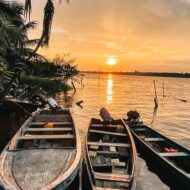
You do not have to travel deep into the interior to start capturing incredible images. Just a short drive from Georgetown lies the Mahaica River, a winding blackwater ecosystem that is an absolute must-do for birders.
-
The Target Shot: The Hoatzin (Canje Pheasant). Guyana’s national bird is ancient, clumsy, and entirely unique. The Mahaica River is arguably the most reliable place on earth to photograph this prehistoric-looking bird at close range.
-
The Environment: You will be shooting from a small riverboat. The waters are generally calm, allowing for sharp telephoto shots of Howler monkeys, blood-colored woodpeckers, and river otters playing along the muddy banks.
2. Kaieteur National Park: Scale and Rarity
Kaieteur Falls isn’t just a landscape photographer’s dream; the micro-climate surrounding the 741-foot drop is teeming with specialized, rare wildlife.
-
The Target Shot: The Guianan Cock-of-the-rock. This brilliant, neon-orange bird is famous for its elaborate courtship displays. They frequently nest in the rocky gorges near the falls.
-
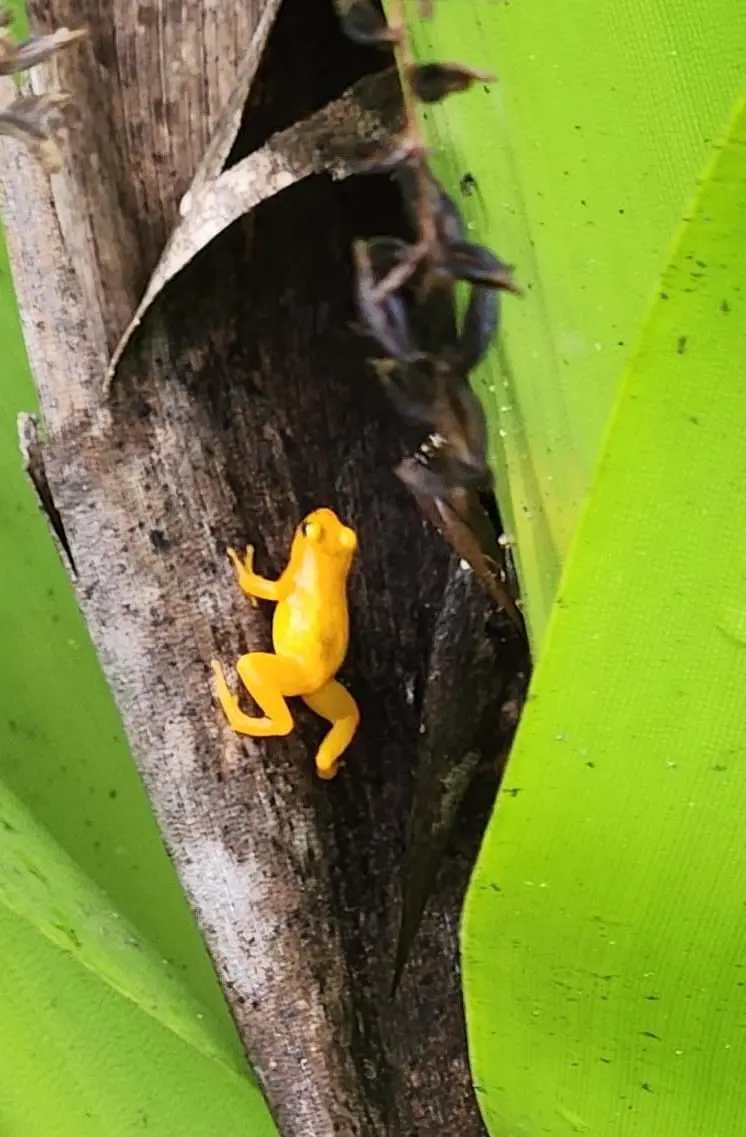
The Environment: You will be hiking on uneven, rocky trails with heavy mist in the air. A wide-angle lens is essential to capture the sheer scale of the falls, but you will want a fast telephoto lens for the golden frogs that live inside the giant tank bromeliads scattered along the paths.
3. The Iwokrama Canopy Walkway: Eye-Level with the Canopy
One of the greatest challenges of rainforest photography is the height of the trees. The canopy is where the action is, but shooting straight up from the forest floor usually results in dark, backlit silhouettes.
-
The Target Shot: Macaws, Toucans, and Harpy Eagles.
-
The Environment: The Iwokrama Walkway solves the height problem by suspending you up to 33 meters (100 feet) above the forest floor. You are suddenly eye-level with the vibrant canopy life. Early mornings here are magical, with the mist rolling through the branches and the morning light providing perfect, soft illumination for your subjects.
4. The Rupununi Savannahs: Wide Open Spaces
When you transition from the dense rainforest to the golden plains of the Rupununi, your photography style will need to shift entirely. This is Big Sky country.
-
The Target Shot: The Giant Anteater. Spotting one of these bizarre, beautiful creatures wandering the open plains with its massive tail sweeping behind it is a bucket-list moment.
-
The Environment: The light here is harsh during the day, so the golden hours (dawn and dusk) are critical. This is also the perfect location for cultural photography, capturing the silhouettes of local vaqueros (cowboys) riding across the dusty trails, or the rugged 4×4 convoys making their way to Lethem.
Field Tips for the Guyanese Tropics
Shooting in a tropical rainforest requires specific preparation to protect your gear and maximize your results.
-
Managing Humidity: Going from an air-conditioned lodge or vehicle straight into the humid jungle will instantly fog your lenses. Keep your camera in a sealed bag while it acclimatizes to the outside temperature for at least 30 minutes before shooting.
-
Weather Protection: Rain can arrive in minutes. Always have a fitted rain cover for your camera body and lens, and use dry bags for your backpack.
-
The Editing Workflow: The humidity and dust can be tough on sensitive electronics out in the field. Keep your SD cards secure in a waterproof, hard-shell case during the trip. Wait until you are safely back home to transfer those stunning, high-resolution RAW files onto your Mac for your final Lightroom or Photoshop edits.
Capture the Untouched World with Trail Masters
Wildlife photography requires patience, deep local knowledge, and the ability to get to the right place at the right time.
At Trail Masters Adventure Tours, our expert indigenous guides know how to track elusive wildlife without disturbing their natural behavior. We set up the logistics so all you have to do is focus your lens.
Recent Posts
Beyond the Brochure: The Definitive Guide to Guyana Adventure Travel with Trail Masters
Thunder in the Highlands: The Ultimate Guide to Kaieteur Falls